
















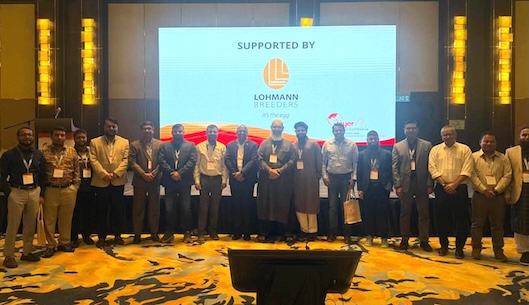
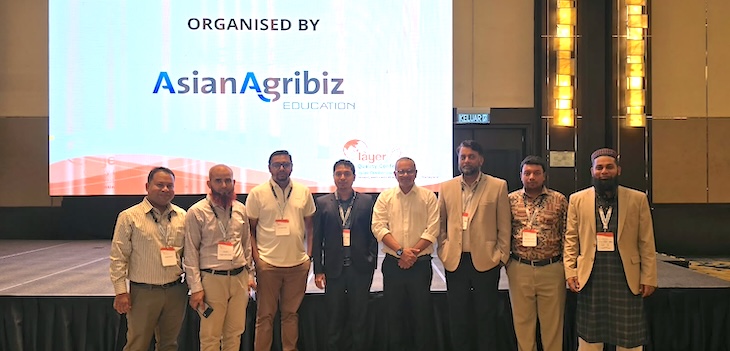
KUALA LUMPUR, Malaysia: Poultry entrepreneurs, industry professionals and technical experts from Bangladesh have joined international delegates at Quality Conference 2026 in Kuala Lumpur, as global industry leaders gather to explore the next generation of efficient, sustainable and science-driven egg production.
The two-day international conference, being held on October 19–20 at the InterContinental Kuala Lumpur, brings together leading voices from the global poultry and nutrition sectors under the theme “Learn | Advance | Network.”
The participation of a significant group of entrepreneurs and experts from Bangladesh reflects the growing interest of the country’s poultry industry in international knowledge, advanced production technologies and emerging approaches to layer management.
A major focus of the conference is the transformation of the egg value chain through data, artificial intelligence and smart technology. Nan Dirk Mulder of Rabobank is scheduled to discuss “The Future of Egg Value Chains: Data, AI and Smart Technology,” highlighting the potential of digital technologies to reshape modern egg production.
One of the key themes of the opening day is how to maintain high productivity beyond the peak laying period. Dr Doug Korver of Alpine Poultry Nutrition will discuss strategies for building a strong foundation for lifetime performance, while Dr Mehdi Toghyani of the Poultry Research Foundation, Australia, will focus on maximizing hen performance beyond peak lay.
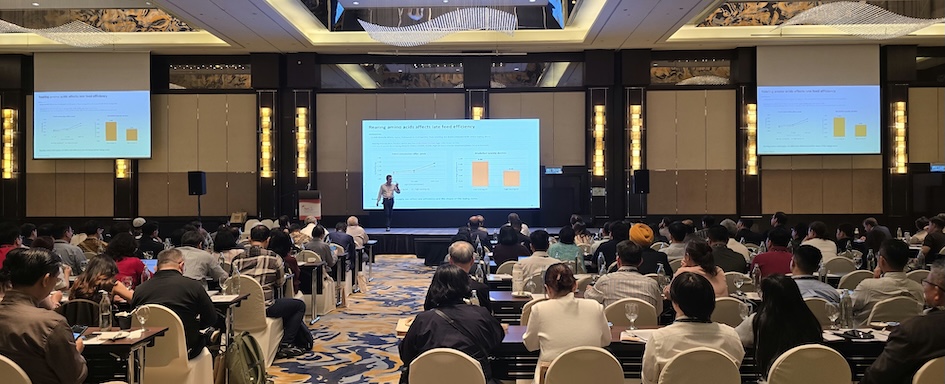
Nutrition and feed efficiency are also at the heart of the conference agenda. Experts are examining the roles of energy, amino acids and feed efficiency in an uncertain market, alongside the impact of undigested amino acids on gut health and production.
For Bangladesh’s poultry sector, where feed costs, production efficiency, flock health and farm profitability remain critical industry considerations, the exchange of international experience at the conference offers an important opportunity for local entrepreneurs and professionals to gain insights into emerging production strategies.
Disease prevention and vaccination are another major area of discussion. The programme features sessions on Avian Influenza (AI) and Newcastle Disease (ND), covering clinical presentations, prevalence, vaccination programmes and protocol considerations.
Technical sessions are further exploring some of the industry’s emerging challenges, including real-time biomonitoring of mycotoxin exposure, nutritional approaches to gut health and disease management, and precision enzyme nutrition for improved layer performance.
The second day will shift the focus towards egg quality, bird health and production-system efficiency. Sessions will examine strategies for optimizing egg size, egg weight and yolk colour, maintaining eggshell quality in ageing hens, and establishing strong gut health from the pullet stage.
The conference will also examine the future of AGP-free nutrition, enzyme technologies and alternative production systems. Experts are scheduled to discuss gut health through nutrition, substrate-specific enzyme strategies and the economics of cage-free production.
A dedicated discussion will address the future of egg production systems in Asia, comparing cage, cage-free and free-range production and examining practical lessons and opportunities for the region.
Against the backdrop of rising production costs, changing consumer expectations, disease risks and growing pressure for greater efficiency, the Kuala Lumpur conference is providing an international platform for poultry stakeholders to assess how technology, nutrition and better management can shape the future of egg production.
For the Bangladeshi delegation, participation in the conference provides an opportunity to connect with global experts, exchange industry experience and explore technologies and management practices that could contribute to a more productive, efficient and resilient poultry sector in Bangladesh.
As the global poultry industry moves towards increasingly data-driven, precision-based and sustainable production, the participation of Bangladeshi entrepreneurs and experts underscores the country’s growing engagement with international developments in poultry production and egg value chains.